


How to Choose Transformer Molding Process? Vacuum Casting vs. APG?
Dry-type epoxy transformers are primarily molded using either vacuum casting or APG (Automated Pressure Gelation) processes. Both methods can produce qualified CTs and PTs, but differ significantly in applicable scenarios, production characteristics, and product properties. Selection should be based on product model, order volume, and structural dimensions.
I. Brief Introduction of the Two Processes
1.1 APG Automated Pressure Gelation Process
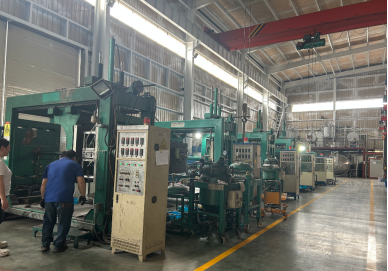
Epoxy resin mixture is degassed under vacuum and then injected into molds under high pressure, with continuous pressure maintained to compensate for shrinkage during curing. Demolding takes only ten to forty minutes, followed by post-curing. Suitable for standardized, large-volume 10kV indoor transformers (e.g., LZZBJ9, JDZ series standard products).
Advantages:
a. Pressure compensation reduces internal voids and shrinkage defects, resulting in dense structures and consistent partial discharge performance;
b. Extremely short molding cycle, high production efficiency, and rapid mold turnover;
c. Smooth surface finish, sharp edges, and high dimensional accuracy;
d. High automation level, reducing labor costs in mass production.
Disadvantages:
a. High mold cost; significant investment required for new products or non-standard items;
b. Narrow process window with strict control over mold temperature, injection pressure, and material temperature;
c. Rapid curing of thick-walled or large-sized transformers may generate internal stress, increasing cracking risk;
d. Requires specialized APG epoxy materials, leading to higher raw material costs.
1.2 Traditional Vacuum Casting Process
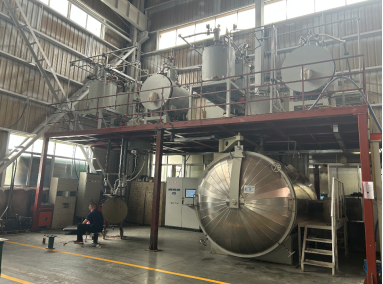
Resin is poured under high vacuum, relying on gravity to flow into molds, followed by prolonged heating and curing. Suitable for custom non-standard designs, 35kV thick-walled transformers, and small-batch, multi-specification products.
Advantages:
a. Simple mold design, low initial cost, flexible modifications, and high cost-effectiveness for prototyping and non-standard products;
b. Gentle curing curve with controllable heating rate, minimizing internal stress and enhancing crack resistance in thick-walled products;
c. Equipment versatility allows compatibility with various epoxy products including transformer coils;
d. Wider selection of epoxy resins and better control over material costs.
Disadvantages:
a. Long production cycle—casting and curing take over ten hours, limiting output capacity;
b. Reliance solely on vacuum degassing makes internal bubbles more likely in thick or large components;
c. Greater susceptibility to human operational variations, resulting in slightly lower batch consistency compared to APG;
d. Ovens remain occupied for extended periods, leading to higher energy consumption.
Ⅱ. What everyone cares about: Which process offers better electrical performance?
As long as production follows standards, both processes can meet electrical performance requirements. We will match the most suitable molding solution based on product specifications and order needs to ensure stable and reliable transformer quality. Mature manufacturers can combine both processes, using them in parallel to complement each other and enabling flexible integration.

